If you want to lose weight and stay healthy long-term, it starts with knowing what your body actually needs.

Men often focus on workouts, protein shakes, and calories when trying to improve their health. Still, many overlook something much more basic: nutrients. Your body needs the right vitamins, minerals, healthy fats, and amino acids to build muscle, support testosterone, protect the heart, sharpen the brain, and keep energy levels steady.
Poor nutrition can slowly drain your performance. Low energy, belly fat, weak recovery, poor sleep, brain fog, and reduced strength often connect back to nutritional gaps. Many men eat enough food every day but still fail to get the nutrients their bodies actually need.
According to the Centers for Disease Control and Prevention, many adults in the United States fail to meet daily recommendations for key nutrients such as magnesium, potassium, vitamin D, and omega 3 fats. These deficiencies can affect long-term health, physical performance, and mental well-being.
The good news is that fixing your nutrition does not require expensive supplements or extreme diets. Small changes in your meals can improve how you feel, move, think, and recover.
This guide breaks down 10 essential nutrients every man should include in his diet. You will learn why each nutrient matters, the best food sources, simple ways to add them into your routine, and real-life examples you can follow.
Why Nutrients Matter for Men's Health
Food does much more than fill your stomach. Nutrients help regulate hormones, support metabolism, protect organs, and repair tissues. When your body lacks key nutrients, performance drops. That includes physical performance, mental focus, sleep quality, and immune function.
Men face unique health challenges as they age. Testosterone levels can decline. Muscle mass naturally decreases. Belly fat becomes harder to lose. Stress levels rise. Heart disease risk increases.
Research published in the Journal of Nutrition found that nutrient-dense diets support better metabolic health, body composition, and hormone balance in men. Another study from Harvard School of Public Health showed that proper nutrition lowers the risk of heart disease, diabetes, and obesity.
Many men try to solve health problems with shortcuts. They search for fat burners, testosterone boosters, or energy drinks while ignoring basic nutrition. That approach usually fails because the body works best when it gets consistent fuel from quality foods.
The nutrients below form the foundation of strong men's health.
Section 1: Nutrients That Support Strength, Energy, and Hormones
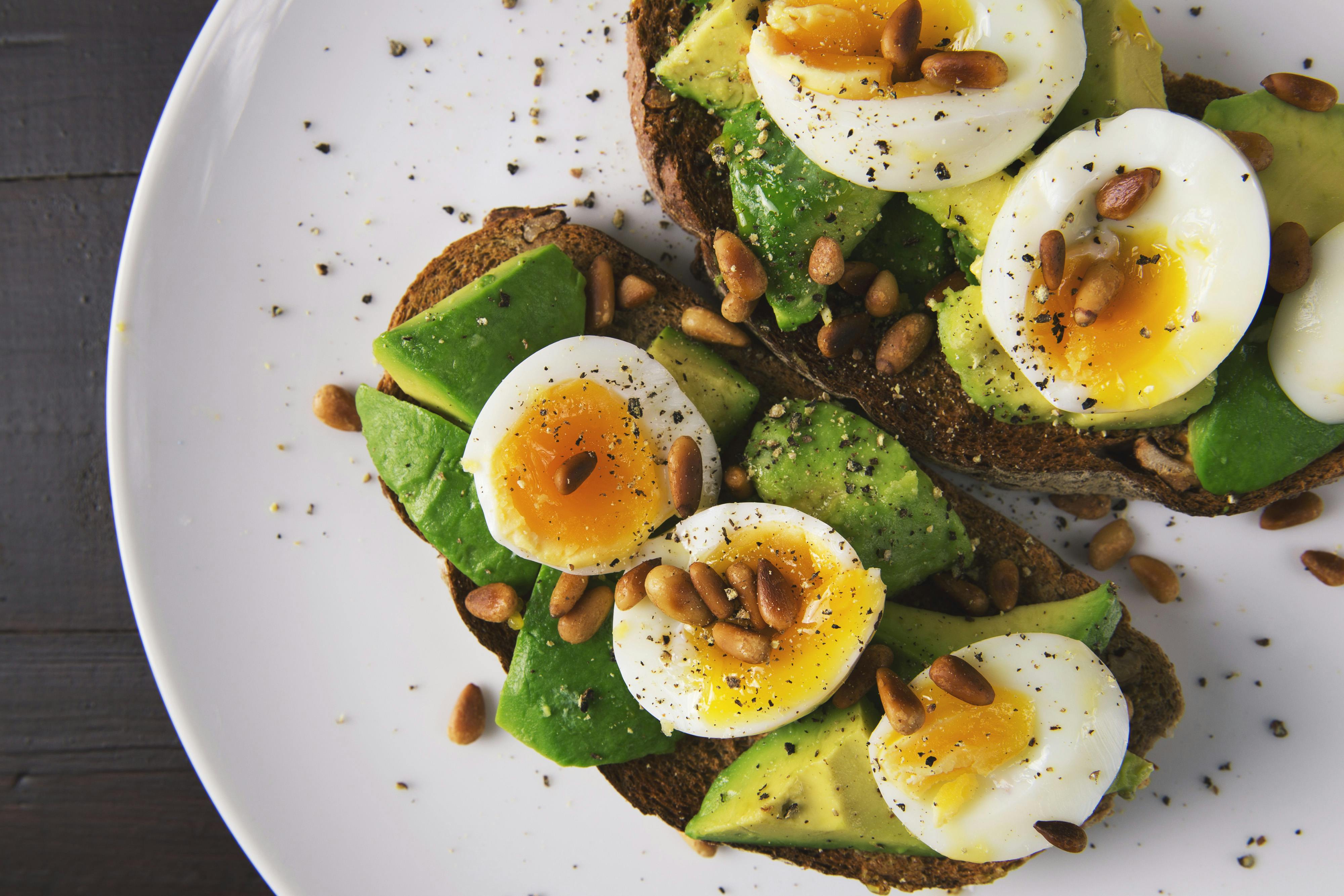
1. Protein.
Protein is one of the most important nutrients for men. It helps build muscle, repair tissues, support metabolism, and maintain strength.
Your body breaks protein into amino acids, which help repair muscle fibers after workouts. Protein also helps control hunger and supports fat loss.
Best Food Sources
Eggs
Chicken breast
Turkey
Greek yogurt
Fish
Lean beef
Lentils
Cottage cheese
Practical Tips
Include protein in every meal
Eat eggs or Greek yogurt for breakfast
Add grilled chicken to salads
Keep protein snacks ready during busy workdays
Real World Example
A man who replaces sugary cereal with eggs and Greek yogurt each morning may notice fewer cravings and better energy throughout the day.
2. Magnesium
Magnesium supports muscle recovery, sleep, nerve function, and testosterone production. Many men do not get enough magnesium from their diets.
Research suggests that low magnesium levels may connect with poor sleep, fatigue, muscle cramps, and stress.
Best Food Sources
Spinach
Pumpkin seeds
Almonds
Black beans
Dark chocolate
Avocados
Practical Tips
Add spinach to smoothies
Snack on almonds instead of chips
Sprinkle pumpkin seeds on salads
Real World Example
A man dealing with poor sleep and muscle tightness may improve recovery by increasing magnesium-rich foods during the week.
3. Vitamin D
Vitamin D helps support bone strength, immune health, testosterone levels, and mood. Many men spend most of the day indoors, which limits sunlight exposure.
According to the National Institutes of Health, nearly 35 percent of adults in the United States may have vitamin D deficiency.
Best Food Sources
Salmon
Egg yolks
Sardines
Fortified milk
Mushrooms
Practical Tips
Spend 15 to 20 minutes outside daily
Add fatty fish to meals twice per week
Get blood levels checked during annual physical exams
Real-World Example
A man who works long office hours may notice improved mood and energy after correcting low vitamin D levels.
4. Zinc
Zinc plays a major role in immune health, testosterone production, wound healing, and muscle recovery.
Low zinc intake may affect hormone balance and immune function.
Best Food Sources
Oysters
Beef
Pumpkin seeds
Chickpeas
Cashews
Practical Tips
Add nuts and seeds to snacks
Rotate seafood into weekly meals
Use lean beef in balanced portions
Real-World Example
A physically active man who trains several days per week may recover better when zinc intake improves.
5. B Vitamins
B vitamins help convert food into energy. They also support brain health, metabolism, and red blood cell production.
Men with low B vitamin intake may feel tired, mentally drained, or weak during workouts.
Best Food Sources
Eggs
Tuna
Brown rice
Leafy greens
Whole grains
Liver
Practical Tips
Replace white bread with whole grains
Add leafy greens to lunch meals
Eat more nutrient-dense breakfasts
Real World Example
A man who constantly feels exhausted in the afternoon may improve energy by replacing processed foods with meals rich in B vitamins.
Quick Nutrient Summary Table

Section 2: Nutrients That Protect the Heart, Brain, and Long-Term Health

6. Omega 3 Fatty Acids
Omega 3 fats help support heart health, brain function, joint health, and inflammation control.
Research from the American Heart Association shows that omega 3 intake may lower the risk of heart disease.
Best Food Sources
Salmon
Sardines
Chia seeds
Walnuts
Flaxseeds
Practical Tips
Eat fatty fish twice weekly
Add chia seeds to smoothies
Replace fried snacks with walnuts
Real World Example
A middle-aged man with high stress levels and poor eating habits may support heart health by increasing omega-3 intake.
7. Fiber
Fiber helps digestion, supports weight management, improves blood sugar control, and lowers cholesterol levels.
Most men fail to get enough fiber daily. The average intake often falls below recommended levels.
Best Food Sources
Oats
Beans
Apples
Vegetables
Whole grains
Berries
Practical Tips
Replace white rice with brown rice
Eat fruit instead of candy
Add beans to soups and salads
Real World Example
A man struggling with belly fat and constant hunger may feel fuller longer after increasing fiber intake.
8. Potassium
Potassium helps regulate blood pressure, muscle contractions, hydration, and nerve function.
Low potassium intake may contribute to fatigue and high blood pressure.
Best Food Sources
Bananas
Sweet potatoes
Spinach
Yogurt
Coconut water
Practical Tips
Add bananas to breakfast
Eat baked sweet potatoes with dinner
Drink more water during the day
Real World Example
A man who experiences muscle cramps after exercise may improve hydration balance with potassium rich foods.
9. Calcium
Calcium supports strong bones, muscle movement, and heart function. Bone health matters for men too, especially after age 40.
Best Food Sources
Greek yogurt
Cheese
Sardines
Kale
Broccoli
Practical Tips
Add yogurt to snacks
Include leafy greens at dinner
Combine calcium foods with vitamin D sources
Real World Example
An older man focused on staying active may protect bone strength with better calcium intake.
10. Antioxidants
Antioxidants help protect cells from damage caused by stress, poor diet, pollution, and aging.
Colorful fruits and vegetables contain antioxidants that support immune function and recovery.
Best Food Sources
Blueberries
Tomatoes
Green tea
Spinach
Dark chocolate
Practical Tips
Add berries to breakfast
Drink green tea instead of sugary drinks
Eat more colorful vegetables
Real World Example
A busy man dealing with stress and poor sleep may support recovery by eating antioxidant-rich foods regularly.

Long Term Health Nutrient Table

Simple Daily Meal Plan Example
Here is a simple example showing how men can include these nutrients throughout the day.
Breakfast
Eggs
Oatmeal with blueberries
Greek yogurt
Lunch
Grilled chicken salad with spinach
Brown rice
Avocado
Snack
Almonds
Banana
Dinner
Salmon
Sweet potato
Broccoli
Evening
Green tea
Dark chocolate in moderation
This type of meal plan gives the body protein, healthy fats, vitamins, minerals, antioxidants, and fiber without extreme dieting.
Common Nutrition Mistakes Men Make
Relying Too Much on Supplements
Supplements can help, but real food should remain the foundation.
Eating Too Many Processed Foods
Fast food and packaged snacks often contain excess sugar, sodium, and unhealthy fats.
Ignoring Hydration
Water supports energy, digestion, muscle function, and recovery.
Skipping Vegetables
Many men eat enough protein but ignore vegetables completely.
Following Extreme Diets
Very restrictive diets can lead to nutrient deficiencies and burnout.
Conclusion
Good nutrition is one of the strongest investments a man can make for his health. The right nutrients support muscle growth, hormone balance, energy, heart health, brain function, and long-term wellness.
You do not need a perfect diet. You need consistency. Small improvements repeated every day often create the biggest results over time.
Adding more protein, healthy fats, fiber, vitamins, and minerals into your meals can improve how you feel physically and mentally. Better nutrition supports your workouts, your recovery, your sleep, your focus, and your future health.
Your well-being depends heavily on the choices you make daily at the table. Food can either support your body or slowly work against it.
So ask yourself:
Are your meals helping your future health or hurting it?
Which nutrient does your current diet lack the most?
What small change can you start making today?
How much better could you feel six months from now with better nutrition habits?
The answers to those questions may shape your health for years to come.
