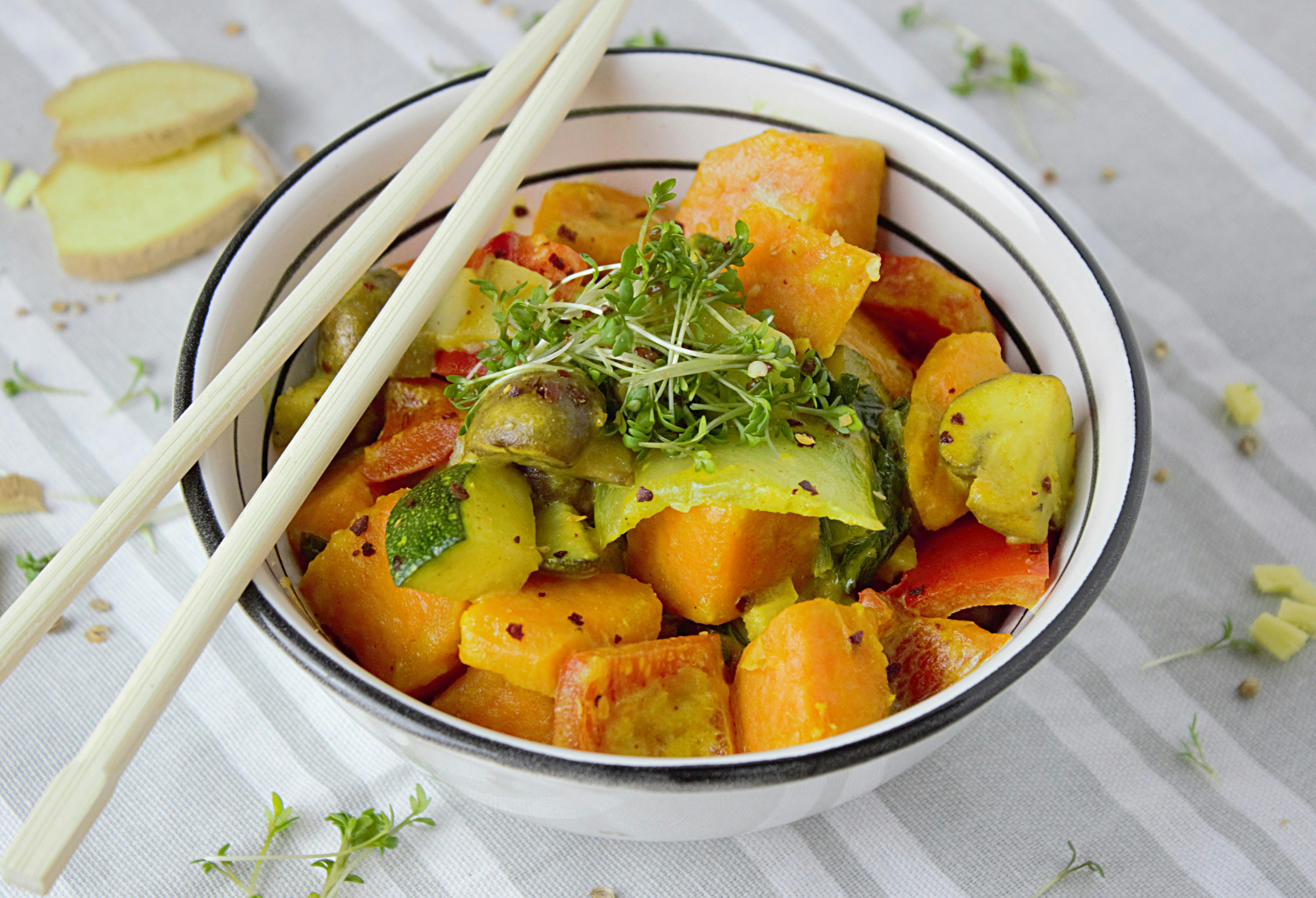
One of the newest and most popular diets in the past few years has stirred up quite the discussion amongst health professionals.
A vegan diet is one that requires you to strip all and any animal products from your diet. This means no meat, dairy, eggs, or animal flavors of any kind.
Starting a vegan diet for many people can be a challenge, not because there are no food choices, but because it is unknown and new territory that many people have never been taught about.
If you’ve been wondering how you could get started with a vegan diet, here is an easy guide to help you.
Step 1: Load Up on Fruits and Veggies
Most people start a vegan diet by looking at the “meat alternatives” section to find the foods that will give them a similar taste to the meat they gave up. However, if you are going to be successful in your new diet, it’s important to load up on fruit and veggies. 3
Fruits and vegetables serve as a major source of nutrients on a vegan diet. They provide your body with vitamins, minerals, and a good source of carbohydrates.
Keeping in mind that many vegetables are not very calorically dense, try to eat foods that are dark green, such as spinach, broccoli, and other leafy greens, as these will contain a good source of calories and important nutrients.
Step 2: Understand that Grains Are Good for You
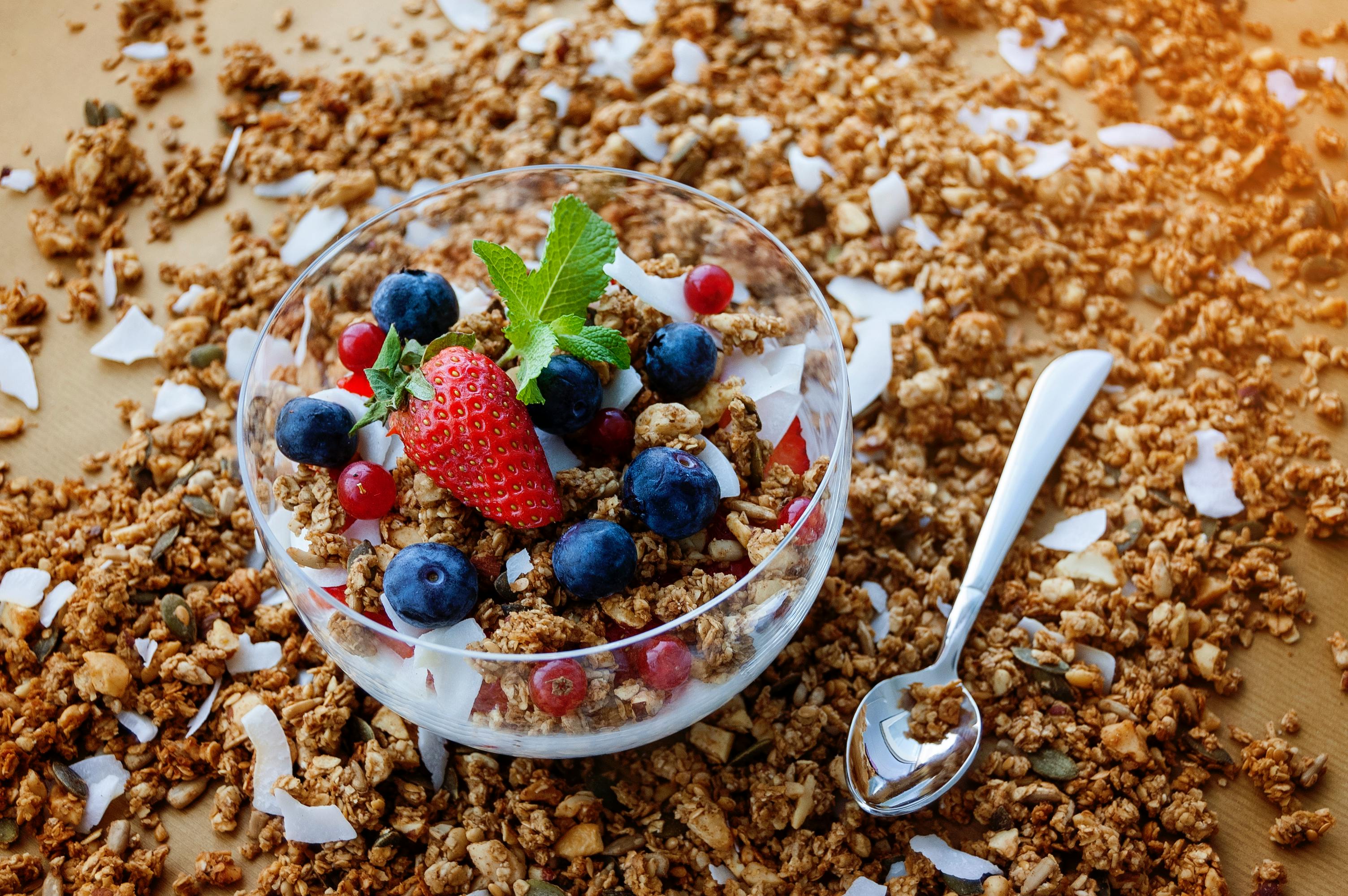
Many people are still afraid of carbohydrates, but on a plant-based diet, much of your caloric value during the day will come from grains such as wheat, corn, rye, and oats.
These grains will provide your body with a steady source of complex carbohydrates. They also contain a wide spectrum of amino acids (the building blocks of protein), vitamins, and minerals.
Most importantly, whole grains are a very good source of fiber, which will help to keep you regular, reduce inflammation, and be a great tool for weight management.
Step 3: Beans and Nuts for Protein
Although a focus on protein intake is not as essential as getting the right carbohydrates, it’s still important to ensure that you’re getting 1g/kg of body mass per day.
This can be done through beans and nuts. Many beans are, in fact, just as protein dense as meats. Black beans, for instance, contain just as much leucine as beef, and lentils contain just as much protein per gram as most fish.
Nuts and seeds like almonds, cashews, and pumpkin seeds are a great additional source of protein, fiber, and micronutrients.
They will also serve as the main source of dietary fat, as a vegan diet will work best when you keep your fat intake to 20% or lower of your daily calories.
Always Eat Fresh
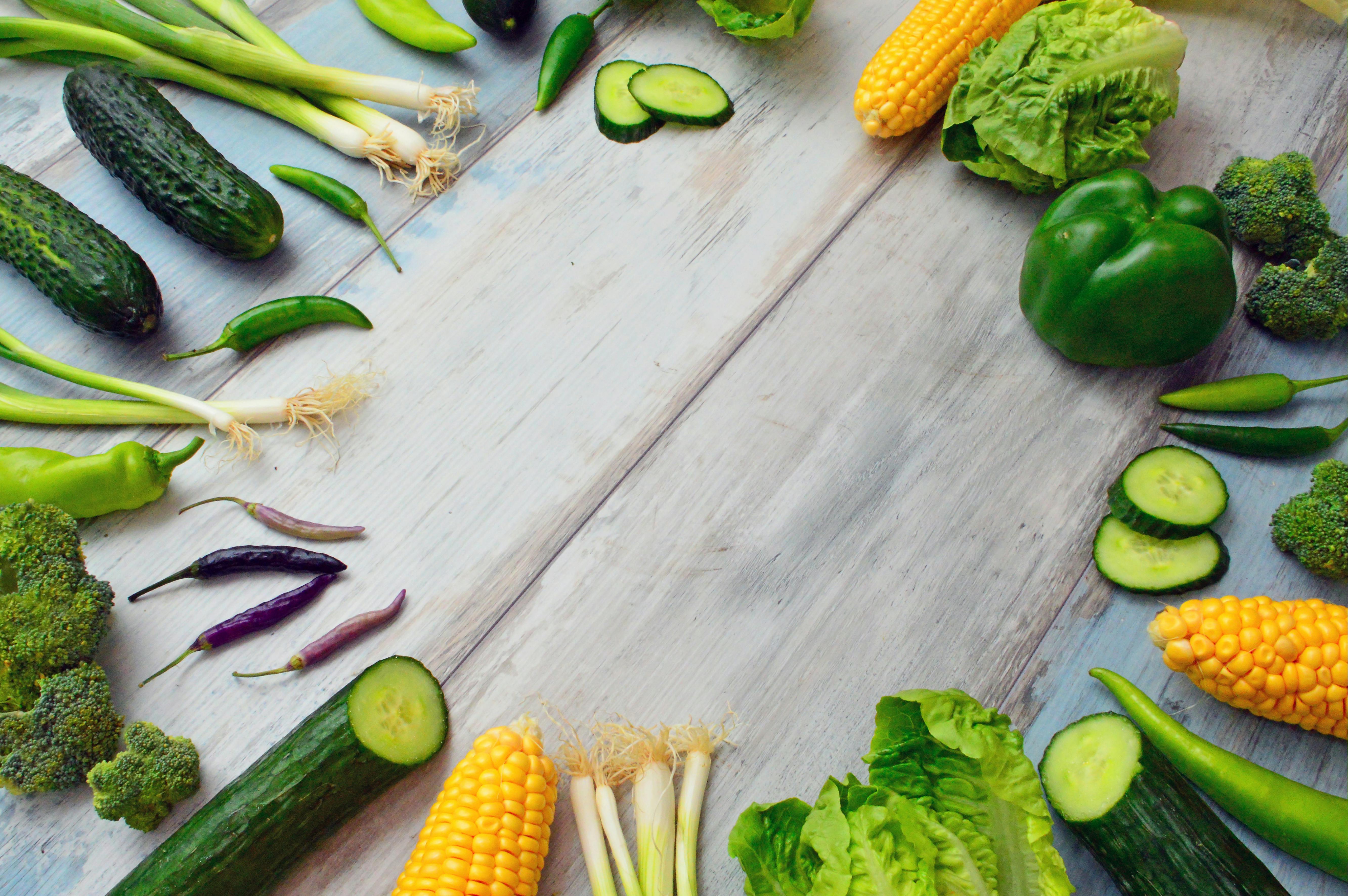
The most important thing to consider on any new diet, especially a vegan diet, is to eat a complete spectrum of food and always eat fresh.
In other words, just because Oreos are vegan doesn't mean you should eat the entire box!
On a healthy vegan diet, fruit and vegetables should be your main source of calories, and the bulk of your diet should be from the food you can cook yourself.
Long-standing research shows that a vegan diet is not just healthier for you, but it also lowers your risk for heart disease, cancer, and obesity. It can even be a very effective tool for performance as an athlete.
So, when going vegan, just stay on track, eat fresh, and don’t stress when you go to a restaurant, there are always vegetable options.