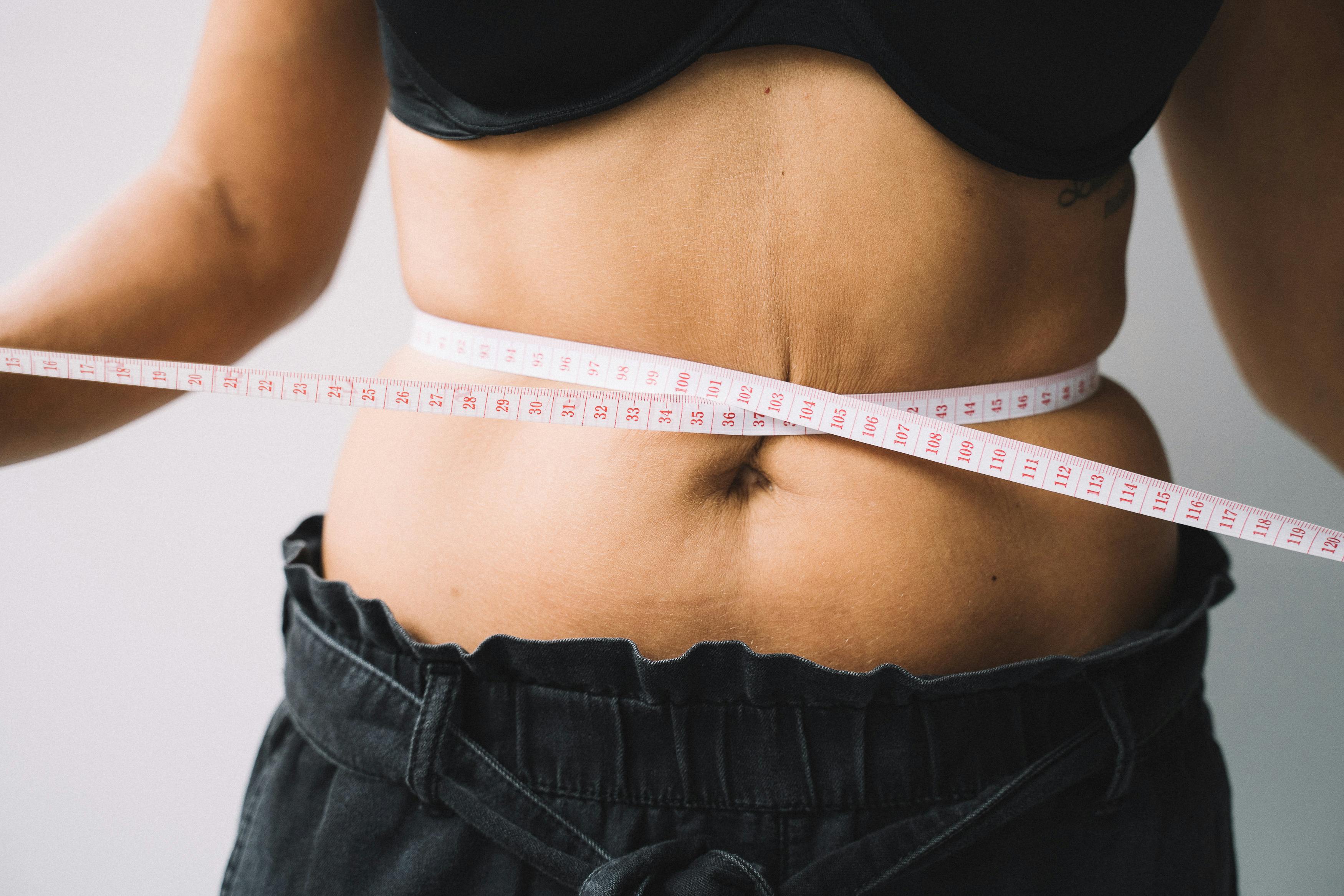
Do you feel a little uneasy about swimsuit weather?
If so, a few simple nutrition and exercise habits can help you feel stronger, healthier, and more confident this summer. Rather than looking for quick fixes, focus on realistic changes you can maintain over time.
Trim Your Body
If your goal is to lose a few pounds, gradual changes to your eating and drinking habits can make a meaningful difference. Consistency and patience are more effective than drastic restrictions.
Before making significant changes to your diet or trying to lose weight, consider talking with your doctor or another qualified healthcare professional. They can help you determine an approach that is appropriate for your individual health needs.
1. Cut Back on Calories From Drinks
Beverages can add more calories to your daily intake than you realize. Consider reducing sugary drinks such as soda, sweetened tea, juice drinks, and other high-calorie beverages.
If you enjoy sweet drinks, try using a small amount of a low- or no-calorie sweetener, or gradually reduce the amount of sweetness you prefer.
Water is an excellent everyday choice. Unsweetened herbal tea and sparkling water can also provide variety without adding much or any sugar.
2. Choose Lighter Desserts
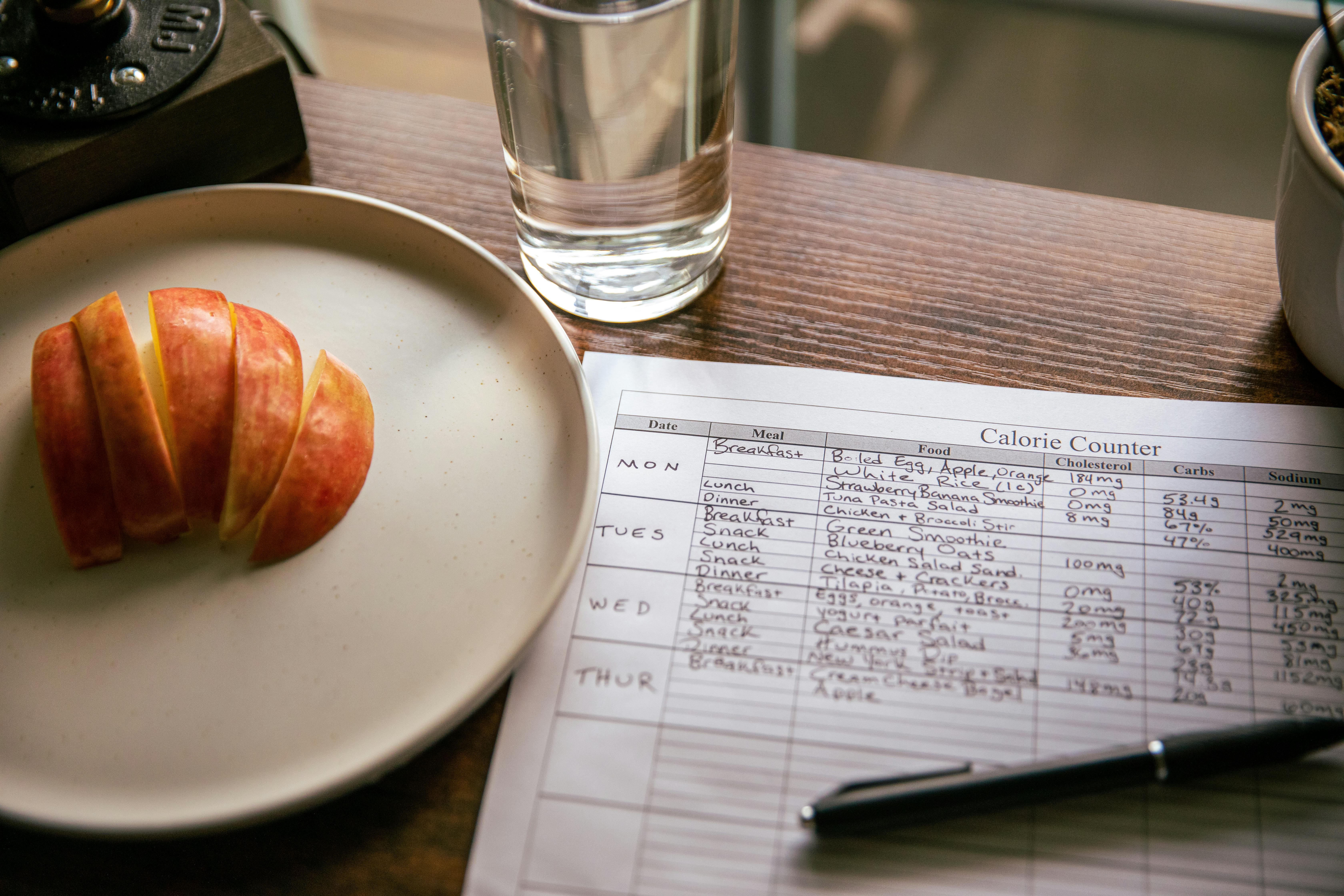
Instead of relying on high-calorie desserts every day, choose lighter options more often. Fresh fruit, yogurt, or smaller portions of your favorite dessert can help satisfy a sweet tooth without making you feel deprived.
Fruit can be an especially convenient choice after meals. Aim for a varied diet that includes fruits, vegetables, whole grains, lean proteins, and other nutrient-rich foods.
Tone Your Body
"Toning" generally means building or maintaining muscle while reducing enough body fat for greater muscle definition. Strength training, cardiovascular exercise, and regular movement can all contribute to a fitter, stronger body.
Try these simple strategies as you prepare for summer:
1. Exercise at Home
You don't need a gym to become more active. A comfortable exercise mat and a small amount of floor space are enough for many basic exercises.
If you're new to exercise, begin with a manageable number of repetitions and concentrate on proper form.
Try simple bodyweight exercises. Squats, modified jumping jacks, wall push-ups, and other basic movements can improve strength and mobility. Move in a controlled manner rather than rushing through each repetition.
Do abdominal exercises. Crunches, dead bugs, or other beginner-friendly core exercises can help strengthen the muscles around your midsection.
Add gentle stretches. While seated, extend your legs comfortably and reach toward each foot without forcing the movement. Stretch only as far as feels comfortable.
Work on ankle mobility. While seated, slowly circle each foot at the ankle in both directions.
Try side leg raises. Lie on one side and slowly raise and lower your top leg. Repeat on the opposite side.
As your strength improves, gradually add repetitions, resistance, or additional exercises.
2. Build Up to Jogging
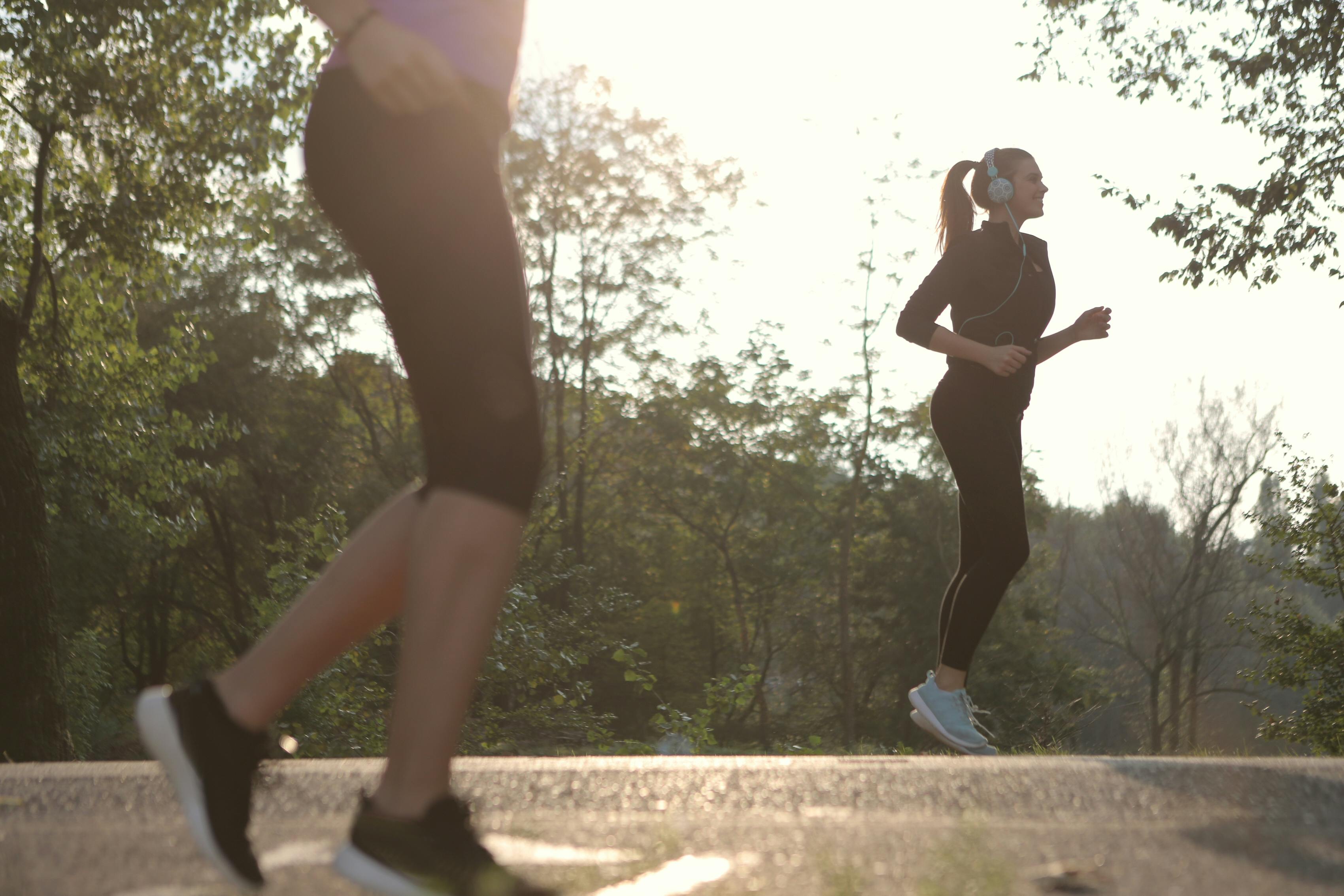
Jogging can improve cardiovascular fitness and endurance while working many muscles throughout the body. If you plan to run regularly, supportive, comfortable shoes can help reduce unnecessary strain.
If you haven't exercised consistently, ease into jogging instead of trying to run long distances immediately.
Start with regular walks at a comfortable pace.
Gradually increase your walking speed and distance.
When brisk walking feels comfortable, add brief jogging intervals.
Alternate between walking and jogging during your workout.
Slowly increase the length of your jogging intervals as your fitness improves.
Give your body time to recover, especially when you're just starting out.
There is no need to follow an exact week-by-week schedule. Progress at a pace that suits your current fitness level.
Before beginning a new exercise program, particularly if you have an existing medical condition, injury, or long period of inactivity, consider checking with a healthcare professional. Begin each workout with a gentle warm-up, and finish by gradually slowing down and allowing your body to recover.
You don't have to change everything at once. Choose a few habits you can realistically maintain and build from there. With consistent nutrition, regular activity, and patience, you can head into summer feeling stronger, healthier, and more comfortable in your body.